
Get Hardscape Curbing Installation
Hardscape curb installation services help property owners create durable, attractive borders and edging for driveways, walkways, gardens, and landscaping projects by connecting with local contractors.
Hardscape curbing installation offers a practical way for property owners to enhance both the functionality and appearance of outdoor spaces. Well-designed curbing can define garden beds, create clear boundaries, and improve drainage, helping to maintain a tidy and well-organized landscape. Whether planning a new landscape project or upgrading existing features, exploring local contractors who specialize in hardscape curbing ensures access to experienced professionals familiar with the area's specific conditions and design preferences.
Property owners in the area might consider curbing installation to increase curb appeal, improve property value, or simplify yard maintenance. Comparing options among local service providers allows for a better understanding of the available styles, materials, and installation techniques. Keeping informed about local contractors can help in planning a project that aligns with personal goals and complements the overall outdoor environment.
- Landscape edging - homeowners may need this work to define garden beds and keep mulch or soil in place.
- Driveway curbing - property owners often seek this service to enhance curb appeal and prevent erosion around driveways.
- Patio border installation - individuals planning to create a polished outdoor living space may require this type of curbing.
- Walkway edging - those looking to improve safety and aesthetics along footpaths might look for local contractors to install curbing.
- Retaining wall curbing - clients with sloped yards may need this work to stabilize soil and create level areas.
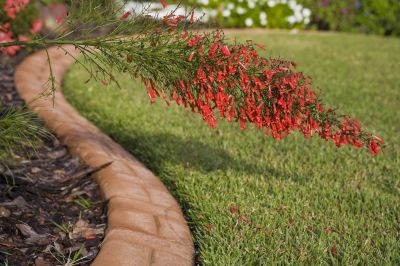
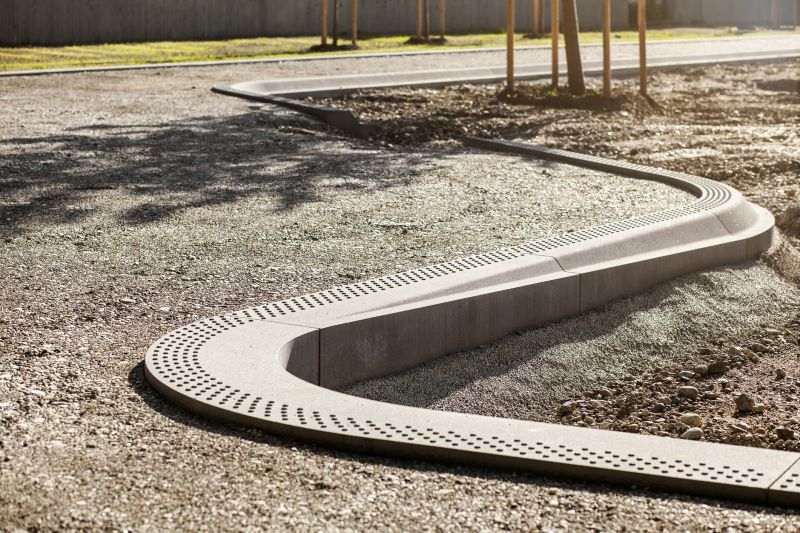
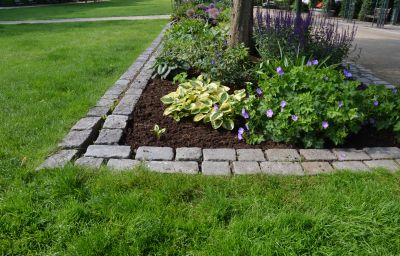
Hardscape curbing installation involves creating durable, decorative borders around landscaping features such as lawns, flower beds, pathways, and driveways. This service typically includes the use of materials like concrete, stone, or brick to craft clean, defined edges that enhance the overall appearance of a property. Properly installed curbing not only adds visual appeal but also helps contain mulch, gravel, or other ground covers, making outdoor spaces easier to maintain and keep tidy. Local contractors specializing in hardscape curbing can customize designs to match the style of any property, whether it’s a residential yard or a commercial landscape.
One of the primary issues that hardscape curbing helps address is erosion and soil displacement. Over time, rain and wind can cause soil, mulch, or gravel to spread beyond designated areas, leading to a messy appearance and increased maintenance. Curbing acts as a barrier that keeps these materials contained, reducing the need for frequent reapplication or cleanup. Additionally, curbing can help prevent the growth of weeds along garden beds and pathways by creating a clear separation between different landscape zones. It also provides a sturdy edge that can improve safety by defining walking areas and preventing tripping hazards caused by uneven ground.
This service is often used on residential properties, especially those with landscaped lawns, gardens, or decorative outdoor features. Homeowners who want to improve curb appeal or create a more organized outdoor space frequently turn to hardscape curbing. It is also popular on commercial properties, including parks, shopping centers, and office complexes, where a neat, professional appearance is important. Properties with irregularly shaped lawns or multiple planting beds benefit from the clean lines and structural support that curbing provides. Overall, hardscape curbing is a practical solution for anyone looking to enhance the durability and visual appeal of their outdoor environment.
Local service providers offering hardscape curbing installation can help property owners achieve a polished, long-lasting landscape edge. These professionals typically have experience working with various materials and design styles to match the specific needs of each property. Whether it’s a small residential garden or a large commercial landscape, qualified contractors can assess the site, recommend suitable materials, and execute the installation efficiently. Contacting local pros ensures that the work is handled by experienced individuals who understand the unique requirements of different properties and can deliver results that improve both function and appearance.
The overview below groups typical Hardscape Curbing Installation projects into broad ranges so you can see how smaller, mid-sized, and larger jobs often compare in your area.
In many markets, a large share of routine jobs stays in the lower and middle ranges, while only a smaller percentage of projects moves into the highest bands when the work is more complex or site conditions are harder than average.
Smaller Repairs - Typical costs for minor curb repairs or touch-ups generally range from $250 to $600. Many routine jobs fall within this middle range, though prices can vary based on scope and materials.
Standard Curbing Installation - Installing new hardscape curbing for a standard-sized project usually costs between $1,000 and $3,000. Local contractors often complete these projects within this range, depending on design complexity.
Large or Complex Projects - Larger, more intricate curb installation projects can reach $4,000 to $8,000 or more. These tend to be less common but are necessary for extensive landscaping or custom designs.
Full Replacement - Replacing existing curbing entirely typically costs $3,500 to $7,000, depending on the size and materials used. Many full replacements fall into this higher tier, especially for larger properties or detailed work.
Actual totals will depend on details like access to the work area, the scope of the project, and the materials selected, so use these as general starting points rather than exact figures.
Paver Patios - local contractors skilled in laying pavers for durable and attractive outdoor living spaces often have experience with curbing to define borders and enhance design.
Retaining Wall Construction - building retaining walls requires similar planning, excavation, and stone or concrete work as curbing, making these projects related in scope and skills.
Landscape Edging - installing landscape edging involves precise placement and material handling comparable to hardscape curb installation for defining garden beds and pathways.
Driveway Apron Installation - creating smooth transitions between driveways and streets involves excavation and concrete or stone work similar to curbing techniques.
Stone Pathway Installation - laying stone or brick pathways requires careful planning and placement skills that are closely related to the skills used in curb installation.
Outdoor Staircase Construction - building outdoor stairs with stone or concrete involves planning, precise cutting, and material handling akin to hardscape curbing projects.
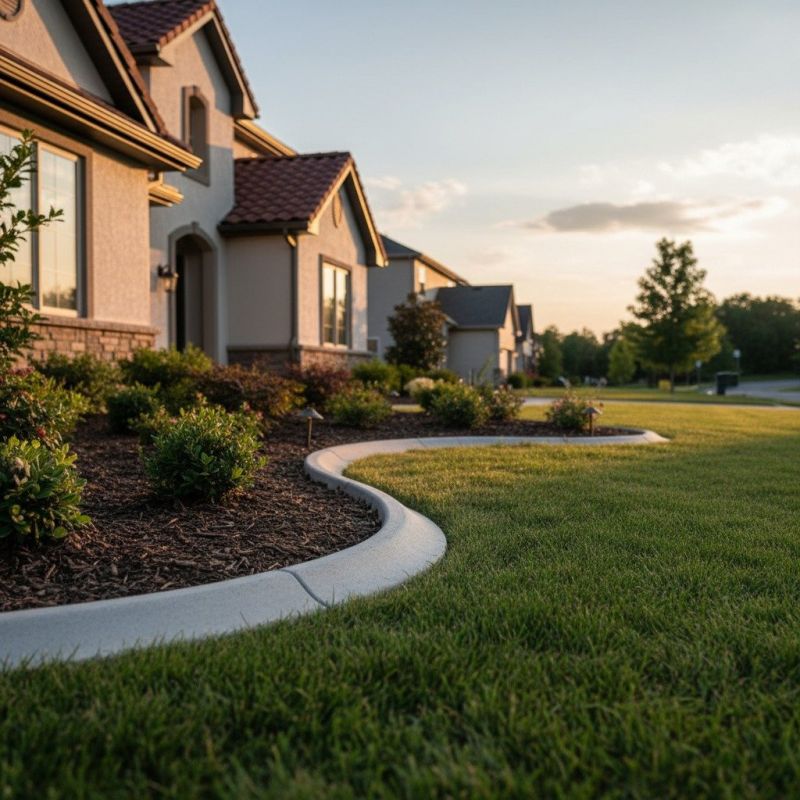
When comparing service providers for hardscape curbing installation, it’s important to consider their experience with similar projects. Homeowners should look for local contractors who have a proven track record of completing curb installation work comparable in scope and style. An experienced provider will be familiar with the best techniques and materials suited to the project’s specific needs, which can help ensure a successful outcome. Asking for examples of past work or references related to similar installations can provide insight into their expertise and reliability.
Clear, written expectations are essential when evaluating potential service providers. Homeowners should seek detailed project descriptions, including the scope of work, materials to be used, and any specific design preferences. Having this information in writing helps prevent misunderstandings and ensures that both parties are aligned on the project’s goals. Reputable local contractors will typically be willing to provide written estimates or proposals that outline the work involved, which can serve as a useful basis for comparison.
Good communication and reputable references are key indicators of a dependable service provider. Homeowners should inquire about how the contractor plans to keep them informed throughout the project and how questions or concerns will be addressed. Additionally, asking for references from previous clients can help verify the contractor’s professionalism and quality of work. While the site introduces homeowners to local options, it’s important to remember that selecting a qualified, communicative, and well-referenced service provider is the best way to help ensure a smooth and successful hardscape curbing installation.
Property owners use Hardscape Curbing Installation services for practical projects around their homes and businesses. This guide focuses on everyday jobs and straightforward project options.
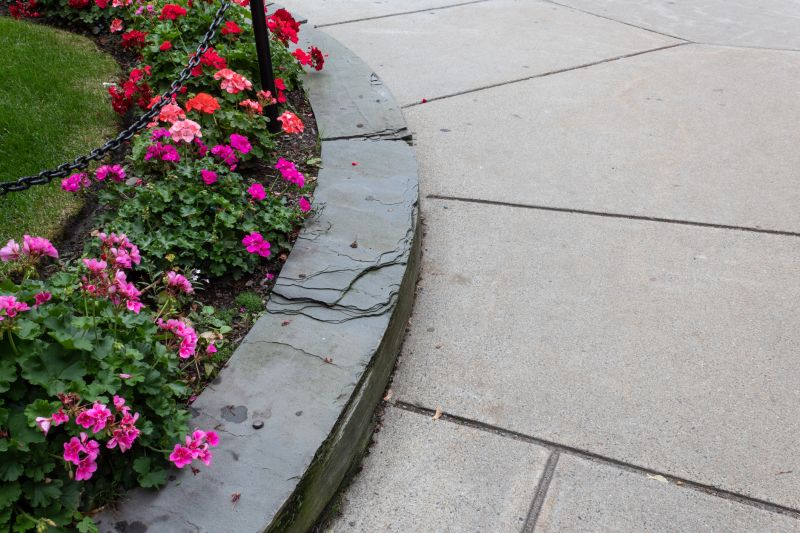
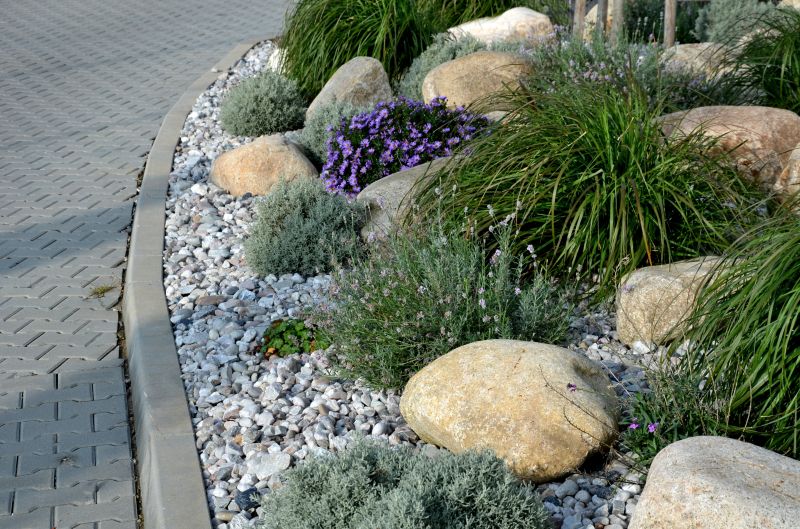
Hardscape curbings are a common addition for property owners looking to define outdoor spaces, improve curb appeal, or create functional borders around gardens, walkways, and driveways. Local contractors often handle these projects when homeowners want to prevent soil erosion, keep mulch or gravel contained, or add a polished, finished look to their landscaping. Whether it’s for a small garden border or a larger driveway edge, having professional installation ensures the curbings are durable and properly installed to withstand daily outdoor conditions.
Many property owners seek hardscape curbing services to enhance safety and organization around their property. For example, installing a sturdy curb can help separate different areas, making outdoor spaces easier to maintain and navigate. Local service providers can assist with various project sizes, from simple yard edging to more complex landscape boundaries, helping property owners achieve a clean, professional appearance that complements their overall outdoor design.
What is hardscape curbing installation? Hardscape curbing installation involves creating durable, decorative borders using materials like concrete, stone, or brick to define landscape features such as lawns, flower beds, or walkways.
What are the benefits of adding hardscape curbing? Hardscape curbing enhances the appearance of outdoor spaces, helps contain mulch and soil, prevents erosion, and reduces weed growth around landscape beds.
Who can handle hardscape curbing installation? Skilled local contractors and landscape service providers are equipped to install hardscape curbing tailored to specific yard designs and materials.
What types of materials are used for hardscape curbing? Common materials include concrete, natural stone, brick, and paver blocks, each offering different aesthetic and durability options.
Is hardscape curbing suitable for all landscape styles? Hardscape curbing can complement a variety of landscape styles, from traditional to modern, depending on the material and design choices made by local service providers.
Garden Pathway Edging - Hardscape curbing can define walkways and garden borders, creating a clean and organized outdoor space.
Driveway Borders - Installing curbing along driveways helps prevent gravel or soil from spreading into the yard, maintaining a neat appearance.
Patio and Seating Areas - Curbs can outline patio spaces, providing a clear separation between different outdoor zones for functional use.
Landscape Bed Edging - Using curbing to contain flower beds and mulched areas helps keep landscaping tidy and reduces maintenance.
If you are thinking about Hardscape Curbing Installation for a property, this guide is meant to help you understand the work, the typical project types, and how different options might fit your plans.
When you are ready, you can use the quote form on this page to share a few details about your project. From there, local pros can review the basics and respond with options that match what you have in mind.